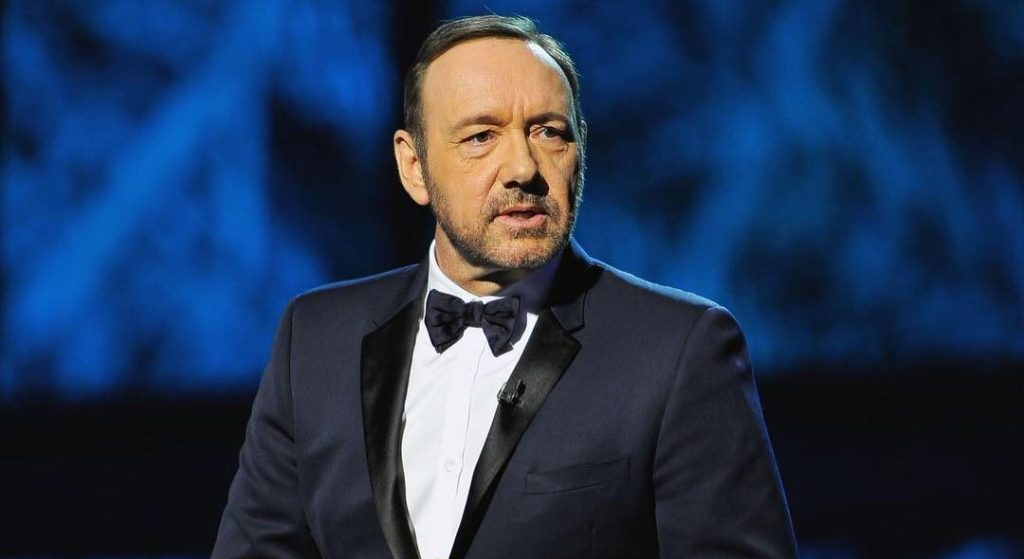
A high-stakes coverage dispute between Media Rights Capital and Fireman’s Fund will turn on whether Kevin Spacey’s absence from House of Cards season six qualifies as a covered “sickness” loss.
A U.S. jury is preparing to hear evidence in a closely watched insurance battle that could determine whether losses tied to the show’s final season are recoverable under a production policy.
Media Rights Capital (MRC), the studio behind the Netflix political drama, is seeking approximately $100 million from its insurer, Fireman’s Fund Insurance Company.
The company argues that Spacey was medically unable to continue filming in 2017 and that the resulting disruption triggered coverage.
The Dispute in Brief
The litigation represents what has been described as MRC’s third and likely final attempt to recover losses associated with the show’s sixth season.
The production company contends that Spacey’s unavailability, following allegations of sexual misconduct that emerged in late 2017, should be treated as a covered “sickness” event under its policy.
Spacey, now 66, is expected to testify in support of MRC’s position. His cooperation reportedly follows an agreement by the production company to reduce a prior arbitration award against him from $31 million to $1 million.
That earlier award stemmed from contractual disputes after the actor was removed from the series.
According to reports cited in court coverage, further details of Spacey’s anticipated testimony remain sealed.
The Legal Fault Lines
At the centre of the case is a familiar but complex insurance question: what constitutes a covered loss when a production is disrupted by circumstances involving a key performer.
MRC’s policy reportedly covered losses linked to an actor’s “sickness.” The company’s position is that Spacey was genuinely unable to perform due to an alleged sex addiction and related treatment following the 2017 allegations.
If accepted, that framing could bring the claim within the policy’s coverage trigger.
Fireman’s Fund disputes that characterisation. The insurer argues that the financial damage flowed primarily from reputational fallout and business decisions, including the suspension of Spacey, rather than from any qualifying medical incapacity.
If a jury agrees with that view, the losses may fall outside the policy’s scope.
The case therefore turns heavily on causation: whether the proximate driver of the production losses was illness or the corporate response to public controversy.
Competing Arguments
MRC is expected to present evidence that Spacey could not and should not have returned to work at the time, and that his treatment and condition rendered him unavailable for filming.
The company has also pointed to communications in early November 2017 suggesting the actor was “sick” and would be away for an extended period.
However, the insurer is likely to focus on conflicting contemporaneous statements. Reports indicate that shortly after the “sick” representation was made, a lawyer for Spacey advised MRC that the actor was “available, willing and able” to fulfil his contractual obligations. That apparent discrepancy may become a central issue for jurors assessing credibility and causation.
Fireman’s Fund’s broader position is that MRC’s losses stemmed from the media and commercial fallout following the misconduct allegations, and that any suspension of Spacey was ultimately a business decision rather than the unavoidable consequence of medical incapacity.
Why This Case Matters
The dispute carries significance well beyond a single television series. Production insurance policies are a cornerstone of film and television financing, and coverage battles involving key talent can expose gaps in risk allocation.
For insurers, the case tests how narrowly courts and juries will interpret “sickness” triggers where reputational crises and health claims overlap.
For studios and financiers, the outcome may influence how future policies are drafted, particularly around morality clauses, availability provisions and exclusions tied to misconduct allegations.
The litigation also illustrates the strategic interplay between arbitration outcomes and subsequent insurance recovery efforts — an area of growing attention in entertainment-sector disputes.
What the Jury Must Decide
Jurors will be asked to weigh whether Spacey was in fact medically unable to perform and whether that condition, rather than reputational or business considerations was the proximate cause of the claimed losses.
They may also examine Netflix’s contractual role. Under the show’s distribution arrangements, the streamer reportedly held certain “tiebreaker” rights over scripts, storylines and casting, and the parties dispute how, or whether, those rights were exercised following the 2017 allegations.
The trial’s outcome will determine whether MRC can recover nine-figure damages under the policy or whether the losses remain with the production company.
Given the high stakes and the fact-intensive nature of the dispute, the verdict could become an important reference point for future entertainment insurance litigation.